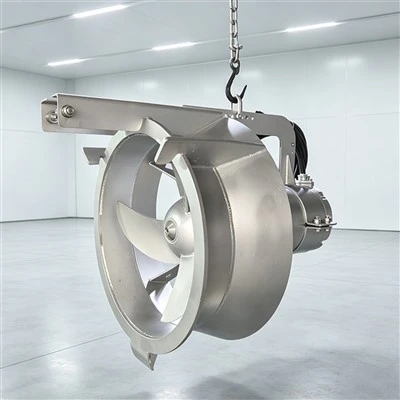
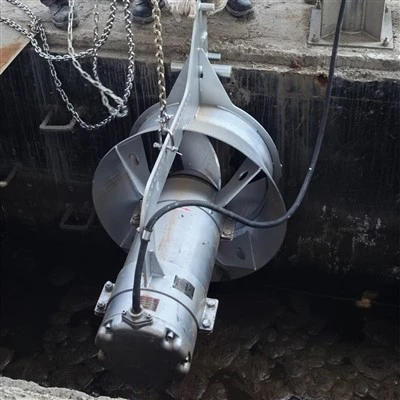
|
|
Author: Mike Wastewater Treatment Engineer Water Treatment Expert Time: April 20, 2026 Introduction: I'm Mike. I've been deeply engaged in the field of wastewater treatment and environmental protection equipment for a long time, with extensive front-line experience. I focus on engineering implementation and operation optimization, sharing practical and applicable industry insights. |

Introduction
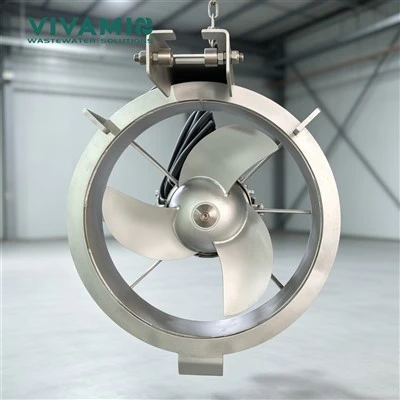
As a core power component in fields such as wastewater treatment, chemical processing, and aquaculture, the proper selection of a submersible mixer directly determines the equipment's operational efficiency, energy consumption costs, service life, and even the overall stability of the entire process system.
However, selecting the appropriate mixer involves far more than simply considering power output; it requires a clear understanding of numerous technical parameters and specific operating conditions.
This guide provides a comprehensive breakdown of all the key information you need to master in order to select the right submersible mixer.
Key Parameters for Submersible Mixer Selection
Choosing the right mixer starts with understanding the application tank type, as each environment requires different mixing performance and design.
2.1 Application Pool Type
Different types of tanks impose significantly varying requirements on mixers. It is essential to clearly define your application scenario before selecting equipment.
The specific tank type determines the required flow regime, operating duration, and equipment load, thereby directly influencing the selection of the appropriate mixer model.


2.2 Mixing Purpose
Clearly defining the mixing objective is central to selecting the appropriate submersible mixer and achieving optimal system performance.
Keeps solids suspended and avoids accumulation at the bottom.
Ensures uniform distribution of liquids and solids.
Improves biological and chemical reaction performance.
Maintains sludge in motion for stable treatment conditions.
Technical Insight
Different mixing objectives correspond to distinct hydraulic requirements. Parameters such as flow velocity, thrust, and mixing intensity must be carefully matched to ensure efficient operation and long-term reliability.
2.3 Medium Characteristics
The physical and chemical properties of the medium directly determine equipment configuration, material selection, and long-term operational reliability.
Key Medium Parameters
- Solids Content (SS, %)
- Density
- Viscosity
- Fibers / Impurities (plastics, fabric strips)
- Sand / Hard Particles (critical wear factor)
- Corrosivity (pH value, chemical composition)
Selection Impact & Risk Factors
Standard submersible mixers are not recommended due to severe abrasion and accelerated wear.
Requires stainless steel (304/316) or specialized anti-corrosion coatings to ensure durability.
2.4 Tank Dimensions & Water Depth
Tank size and geometry form the foundation for determining mixer layout, installation strategy, and power requirements.
Core Tank Parameters
or Diameter
Square / Circular

Key Impacts on Mixer Selection
2.5 Thrust Requirement
Thrust is one of the most critical parameters in submersible mixer selection and directly determines hydraulic performance.
Selection Logic
Thrust-not motor power (kW)-determines the actual mixing capacity and flow performance of the equipment.
Low thrust configuration is sufficient for stable circulation.
High thrust is required to overcome resistance and ensure full mixing.
Total system thrust must be calculated to ensure hydraulic balance.
⚠ Common Mistake
Many customers focus only on motor power (kW), assuming it represents mixing performance.
Higher kW = Better mixing
Thrust is the true indicator of hydraulic performance

2.6 Material Selection
Material selection is a key decision step that determines corrosion resistance, durability, and lifecycle cost of submersible mixers.
Assess Water Corrosivity
Evaluate pH level, chemical composition, and presence of aggressive substances in the medium.
Select Material Grade
Apply to Operating Environment
Match material grade with application conditions to ensure long-term performance and reliability.

Municipal wastewater → 304 stainless steel is generally sufficient.
Industrial or highly corrosive environments → 316 or duplex stainless steel is recommended.
2.7 Installation Method
The installation method directly affects operational efficiency, hydraulic performance, and long-term maintenance convenience.
Guide Rail Mounting
Most commonly used method. Enables easy lifting, inspection, and maintenance without entering the tank.
Base Mounting
Fixed installation on tank bottom. Provides strong stability for long-term continuous operation.
Suspended-mounted
Installed from above the tank. Suitable for deep tanks or structures with limited bottom access.
Wall-mounted
Mounted on tank walls for directional flow control and space-saving installations.

The installation method should be selected based on tank structure, maintenance accessibility, and hydraulic performance requirements.
4. Conclusion
Selecting the right submersible mixer is a balance between hydraulic performance, energy efficiency, and long-term durability.
A Proper Selection Ensures:
Reliable hydraulic performance
Reduced maintenance expenses
Improved equipment durability
Need Help Selecting the Right Submersible Mixer?
Our engineering team provides professional selection support, technical drawings, and complete wastewater treatment solutions.
✔ Technical drawings support
✔ Complete system solutions