|
|
Author: Mike Wastewater Treatment Engineer Water Treatment Expert Time: October 14, 2026 Introduction: I'm Mike. I've been deeply engaged in the field of wastewater treatment and environmental protection equipment for a long time, with extensive front-line experience. I focus on engineering implementation and operation optimization, sharing practical and applicable industry insights. |

Keywords:
aeration diffuser;
wastewater aeration diffuser;
fine bubble diffuser;
fine bubble disc diffuser;
tube diffuser;
disc diffuser
In wastewater treatment plants, aeration is one of the largest energy consumers, often accounting for around 60% of electricity costs. However, many systems still operate with excessive aeration, increasing unnecessary energy consumption.
Based on experience with multiple aeration system designs and upgrades, I have found that most problems come from improper equipment selection and operation rather than equipment failure. Choosing the right diffuser, blower, and control strategy is essential for improving oxygen transfer efficiency and reducing operating costs.
Understanding Wastewater Aeration Diffusers
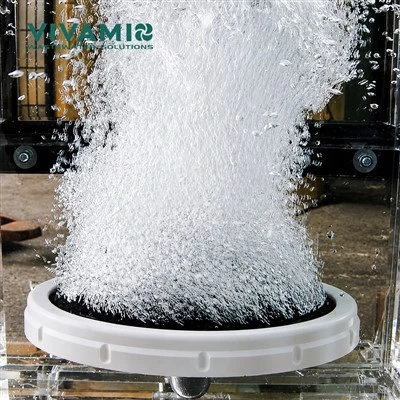
An aeration diffuser is installed at the bottom of the aeration tank to release compressed air into wastewater. The diffuser membrane contains thousands of small pores that generate fine bubbles when air passes through.
Compared with coarse bubble aeration systems, fine bubble diffusers create smaller bubbles and provide a larger contact area between air and water. This allows oxygen to dissolve more efficiently and improves the performance of biological treatment processes.
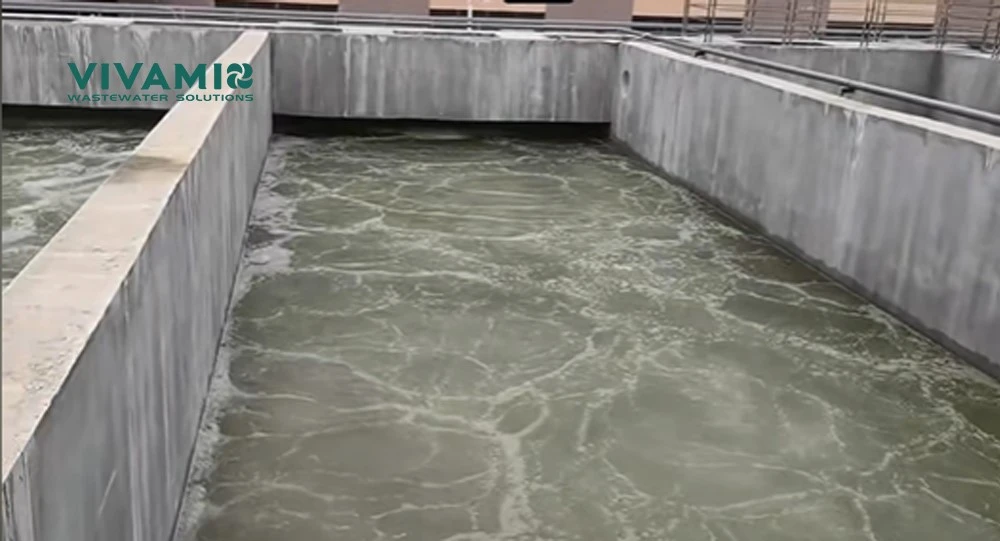
Today, aeration diffusers are widely used in municipal wastewater treatment plants, industrial wastewater projects, MBBR systems, and activated sludge processes.
However, choosing an aeration diffuser is not simply about selecting a product size. The diffuser type, membrane material, airflow range, tank depth, and wastewater characteristics all influence the final performance of the system.
Fine Bubble Disc Diffuser for Wastewater Treatment
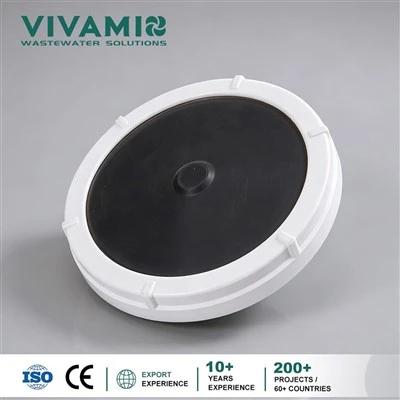
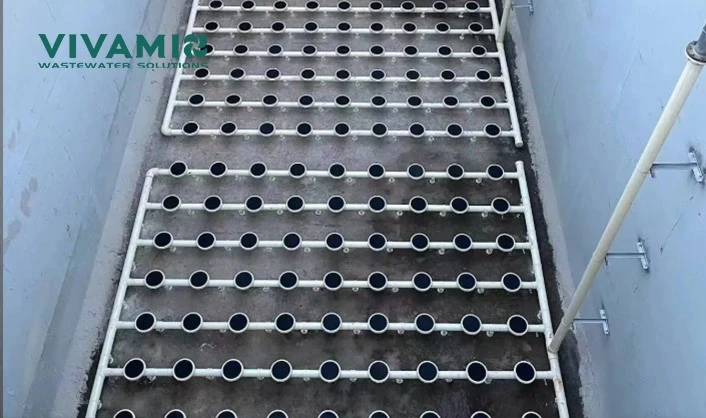
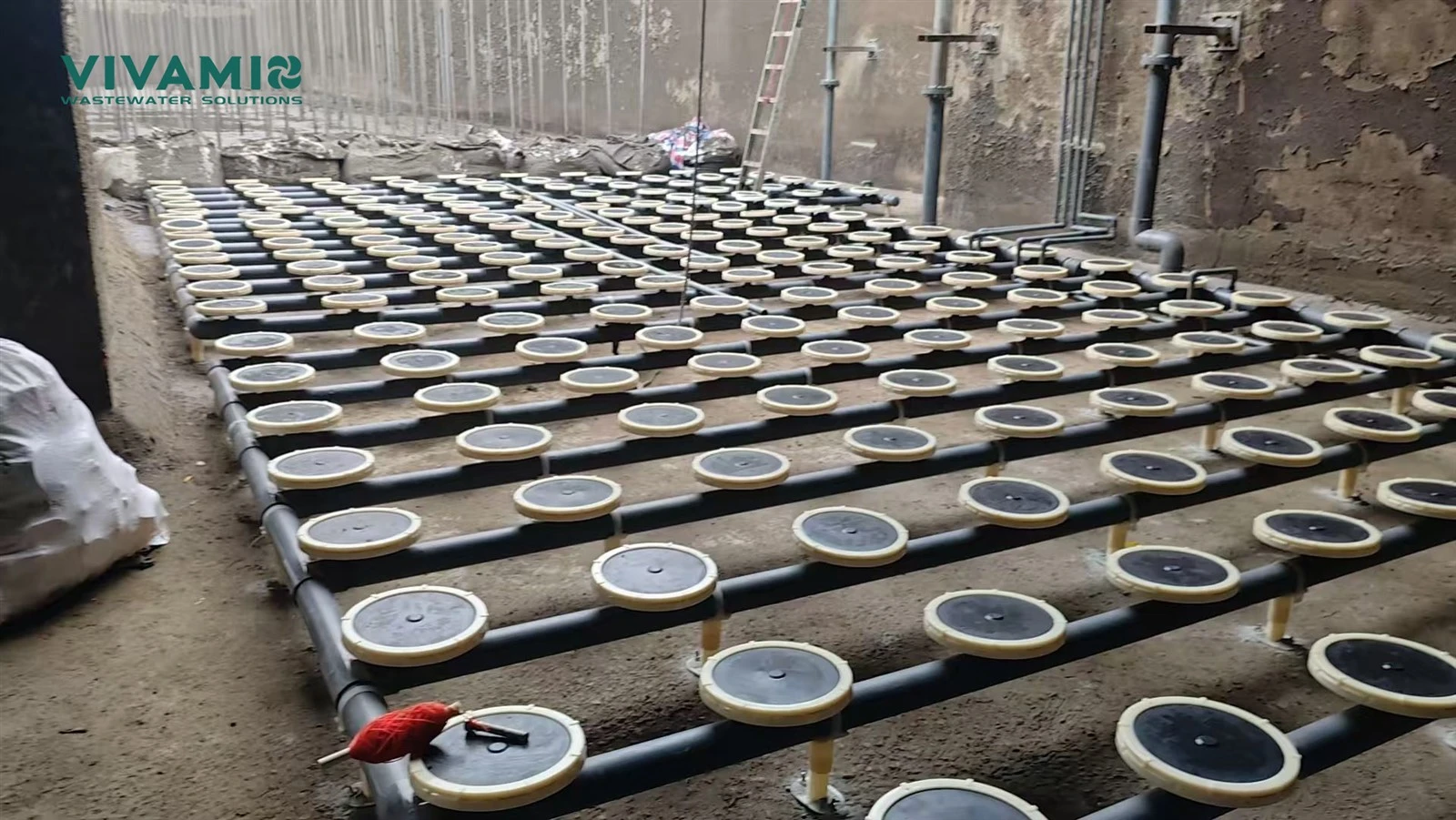
Disc diffusers are one of the most common solutions used in modern wastewater aeration systems. Their compact circular structure allows multiple diffusers to be installed evenly across the tank bottom, creating uniform oxygen distribution.
The VIVAMIX VM-BP Fine Bubble Disc Diffuseris designed for biological wastewater treatment applications. It uses an ABS engineering plastic body combined with EPDM or silicone microporous membrane technology.
During operation, air pressure expands the membrane pores and releases fine bubbles into the wastewater. When the air supply stops, the membrane closes automatically, helping reduce wastewater backflow into the air pipeline.
This non-return design is especially useful for systems with intermittent operation because it improves reliability and reduces the risk of pipeline contamination.
The VM-BP diffuser is available with different membrane options according to application requirements. EPDM membranes provide excellent elasticity, aging resistance, and durability, making them suitable for most municipal and industrial wastewater applications. Silicone membranes offer higher temperature resistance and stable performance under more demanding conditions.
Through optimized membrane structure and fine bubble generation, the VM-BP diffuser helps improve oxygen transfer efficiency while maintaining stable operation.
Fine Bubble Tube Diffuser for Larger Aeration Applications
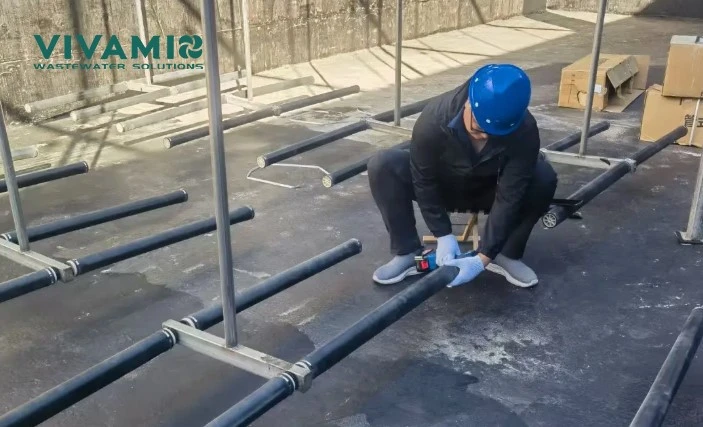
Compared with disc diffusers, tube diffusers provide a longer membrane surface area, making them suitable for projects that require wider aeration coverage or more flexible installation layouts.
The VIVAMIX VM-BG Tube Diffuser is developed for activated sludge and biological wastewater treatment systems. Its tubular structure provides stable air distribution and helps maximize the effective aeration area inside the tank.
The optimized membrane design reduces pressure loss during operation, allowing the aeration system to maintain efficient airflow performance.
Another advantage of tube diffusers is their installation flexibility. They can be arranged according to different tank designs and are often selected for large aeration tanks, industrial wastewater treatment systems, and retrofit projects where existing aeration layouts need improvement.
The VM-BG series is available with EPDM and silicone membrane options, allowing customers to select a suitable solution based on wastewater temperature, chemical conditions, and operating requirements.
Disc Diffuser or Tube Diffuser: How to Make the Right Choice?
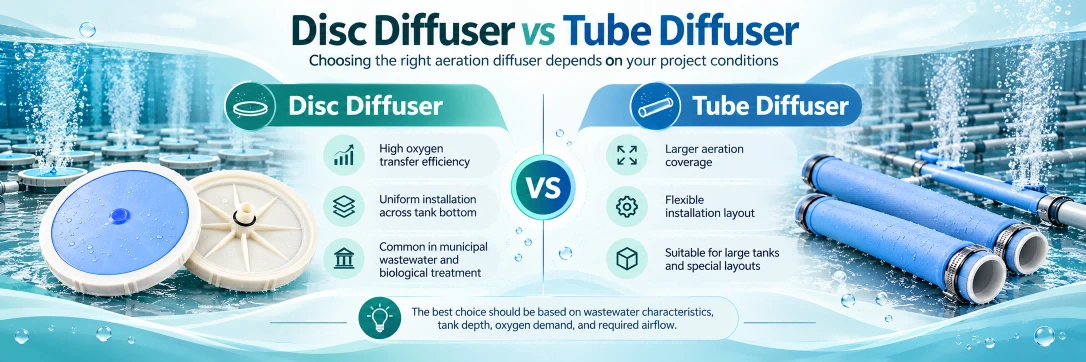
Both disc diffusers and tube diffusers can provide efficient fine bubble aeration, but the best choice depends on the actual project conditions.
Disc diffusers are usually preferred for applications that require high oxygen transfer efficiency and uniform installation across the tank bottom. They are widely used in municipal wastewater treatment plants and conventional biological treatment systems.
Tube diffusers are often selected when larger aeration coverage, flexible installation, or special tank layouts are required.
Before making a decision, engineers should evaluate the wastewater characteristics, tank depth, oxygen demand, and required airflow. A diffuser that performs well in one project may not always be the best choice for another application.
How to Select the Right Aeration Diffuser?
The selection process starts with understanding the working environment.
Wastewater characteristics are an important factor because different water conditions may affect membrane performance. For example, wastewater containing higher chemical concentrations, oil, or higher temperatures may require a more suitable membrane material.
Tank depth is another key consideration. As the installation depth increases, the diffuser needs to overcome higher water pressure, which affects blower pressure requirements and oxygen transfer performance.
Airflow should also be properly matched with the diffuser. Operating outside the recommended airflow range may reduce efficiency and increase unnecessary energy consumption.
Therefore, diffuser selection should always consider the complete aeration system rather than only the diffuser itself.
The Importance of Matching Aeration Diffusers with Air Blowers
An efficient aeration system depends on the cooperation between the air blower and diffuser.
The air blower supplies the required air volume and pressure to the aeration system, while the diffuser controls how the air is released into the wastewater and how effectively oxygen can be transferred.
If the blower capacity is not suitable, the diffuser may not achieve its designed performance. Similarly, choosing the wrong diffuser may increase pressure loss and reduce overall system efficiency.
For this reason, selecting a suitable wastewater air blower is an important part of designing a complete aeration solution.
To better understand how to select the right Aeration Blower Packages for wastewater aeration applications, we recommend reading this guide: "5 Key Factors to Consider When Selecting a Wastewater Air Blower." This article provides useful information on blower selection, performance requirements, and system matching.

Installation and Maintenance Considerations
Even high-quality diffusers require correct installation and operation to maintain long-term performance.
Proper diffuser arrangement helps achieve uniform oxygen distribution throughout the tank. During operation, airflow should remain within the recommended range to avoid unnecessary stress on the membrane.
Regular inspection of membrane condition, airflow performance, and pipeline operation can help identify potential problems early and extend the service life of the aeration system.
Conclusion
The best aeration diffuser is not always the most expensive option, but the one that matches the actual project requirements.
By considering wastewater characteristics, tank design, airflow demand, and operating conditions, engineers can select a suitable diffuser solution that improves oxygen transfer efficiency and reduces long-term operating costs.
A properly matched air blower and aeration diffuser system provides the foundation for stable and efficient wastewater treatment performance.
Frequently Asked Questions (FAQ)
Looking for the right aeration diffuser for your wastewater treatment system?
VIVAMIX provides reliable fine bubble disc diffusers and tube diffusers with EPDM and silicone membrane options. Share your project details with us, and our team will help recommend the most suitable aeration solution for your application.
Get Custom Recommendation