|
|
Author: Mike Wastewater Treatment Engineer Water Treatment Expert Time: August 3, 2026 Introduction: I'm Mike. I've been deeply engaged in the field of wastewater treatment and environmental protection equipment for a long time, with extensive front-line experience. I focus on engineering implementation and operation optimization, sharing practical and applicable industry insights. |

Keywords:
Membrane Disc Diffuser,fine bubble membrane diffuser,EPDM disc diffuser,PTFE disc diffuser,Wastewater aeration system,Disc Diffuser Manufacturer
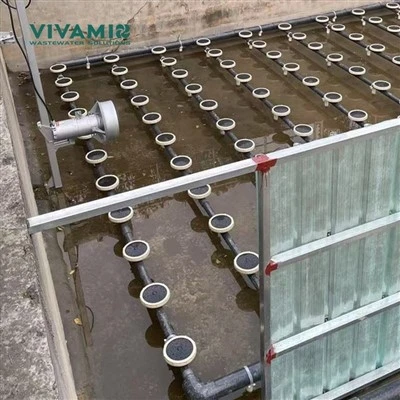
What Does It Consist Of?
It is mainly composed of three core parts:
- Membrane: Typically made of EPDM or Silicone material, with precision micro-holes distributed across its surface.
-
Disc Body (Tray): Generally made of ABS engineering plastic or reinforced polypropylene, used to support the membrane, with an internal non-return valve and flow guide structure.
-
Mount (Base Connection): Used to secure the diffuser to the air distribution piping.
How Does It Work?
"Breathing" Micro-Hole Opening and Closing - This is its most ingenious feature.
During Aeration: Compressed air enters the diffuser through the piping. The air pressure slightly lifts the elastic rubber membrane, causing the tiny micro-holes (approximately 80-100 microns) to open, cutting the air into countless fine bubbles with a diameter of only 1-3 mm, which are released into the water.
When Stopped: Once air pressure is removed, the membrane returns to its original shape due to its elasticity, and the micro-holes close tightly. This not only prevents sludge from clogging the pores, but the non-return valve (Check Valve) inside the tray also closes simultaneously, preventing dirty water in the tank from backflowing into the air piping.
Why Choose It Over Other Aerators?
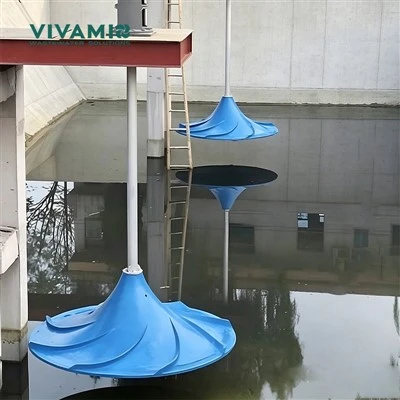
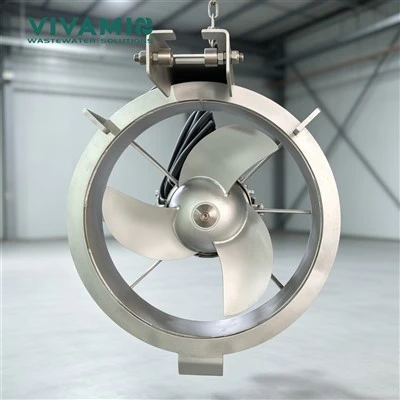
Compared to coarse bubble aeration or mechanical aeration, disc-type microporous diffusers offer significant advantages:
-
Energy-Efficient: Because the bubbles are small enough, the contact area between bubbles and water increases exponentially, resulting in extremely high oxygen dissolution efficiency. Compared to coarse bubble aeration, it can save more than 40% in energy consumption to achieve the same treatment effect.
-
Uniform Air Distribution: It can be evenly arranged across the entire tank bottom, providing comprehensive, dead-zone-free oxygen supply, maintaining the stability of the activated sludge system.
-
Strong Adaptability: Whether in continuous operation or intermittent start-stop SBR processes, it operates reliably without requiring frequent maintenance.
What Are the Differences Between Different Membrane Materials?
The membrane material determines the diffuser's service life and corrosion resistance:
EPDM (Ethylene Propylene Diene Monomer): The standard configuration for municipal wastewater treatment. It offers excellent aging resistance, acid/alkali resistance, and high cost-performance, with a typical service life of 5-10 years.
Silicone: Offers a wider operating temperature range and excellent anti-biofouling properties. It is particularly suitable for industrial wastewater, chemical, pharmaceutical, and other challenging wastewater treatment, with a service life of over 10 years.
If you are looking for an aeration solution that ensures compliant effluent quality while significantly reducing electricity costs, the Membrane Disc Diffuser is undoubtedly a mature technology worth prioritizing.
Looking to improve effluent quality while reducing aeration energy costs? Contact us today for a customized Membrane Disc Diffuser solution tailored to your wastewater treatment system.