|
|
Author: Mike Wastewater Treatment Engineer Water Treatment Expert Time: March 25, 2026 Introduction: I'm Mike. I've been deeply engaged in the field of wastewater treatment and environmental protection equipment for a long time, with extensive front-line experience. I focus on engineering implementation and operation optimization, sharing practical and applicable industry insights. |

Introduction
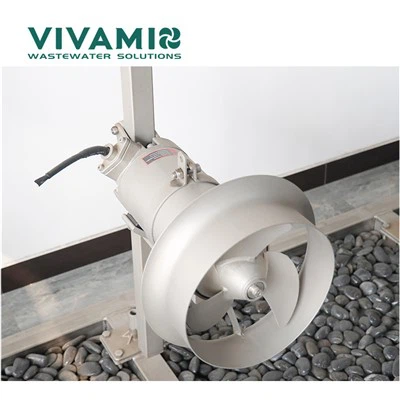
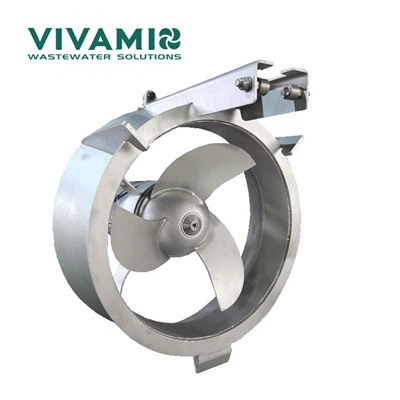
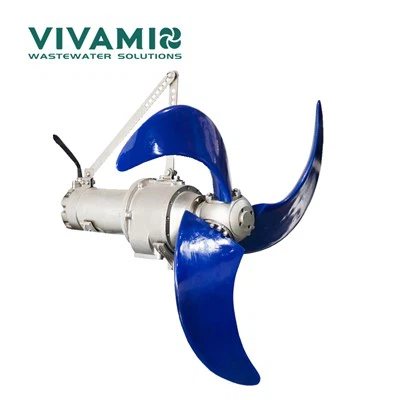
Submersible mixers play a critical role in modern wastewater treatment processes, ensuring effective mixing, preventing sludge sedimentation, and maintaining uniform flow conditions in tanks.
While many users focus on power and thrust, the internal structure of the mixer is the key factor that determines its efficiency, reliability, and service life. A well-designed structure not only improves mixing performance but also reduces maintenance costs and operational risks.
Key Components of a Submersible Mixer
Motor System
The motor is the core power source of the mixer. Submersible mixers are equipped with fully enclosed, IP68-rated motors, designed to operate continuously under water.
High-quality motors feature:
- Copper winding for high efficiency
- Class F or H insulation
- Stable performance under long-term operation
- A reliable motor ensures consistent output and energy-efficient operation.

Impeller
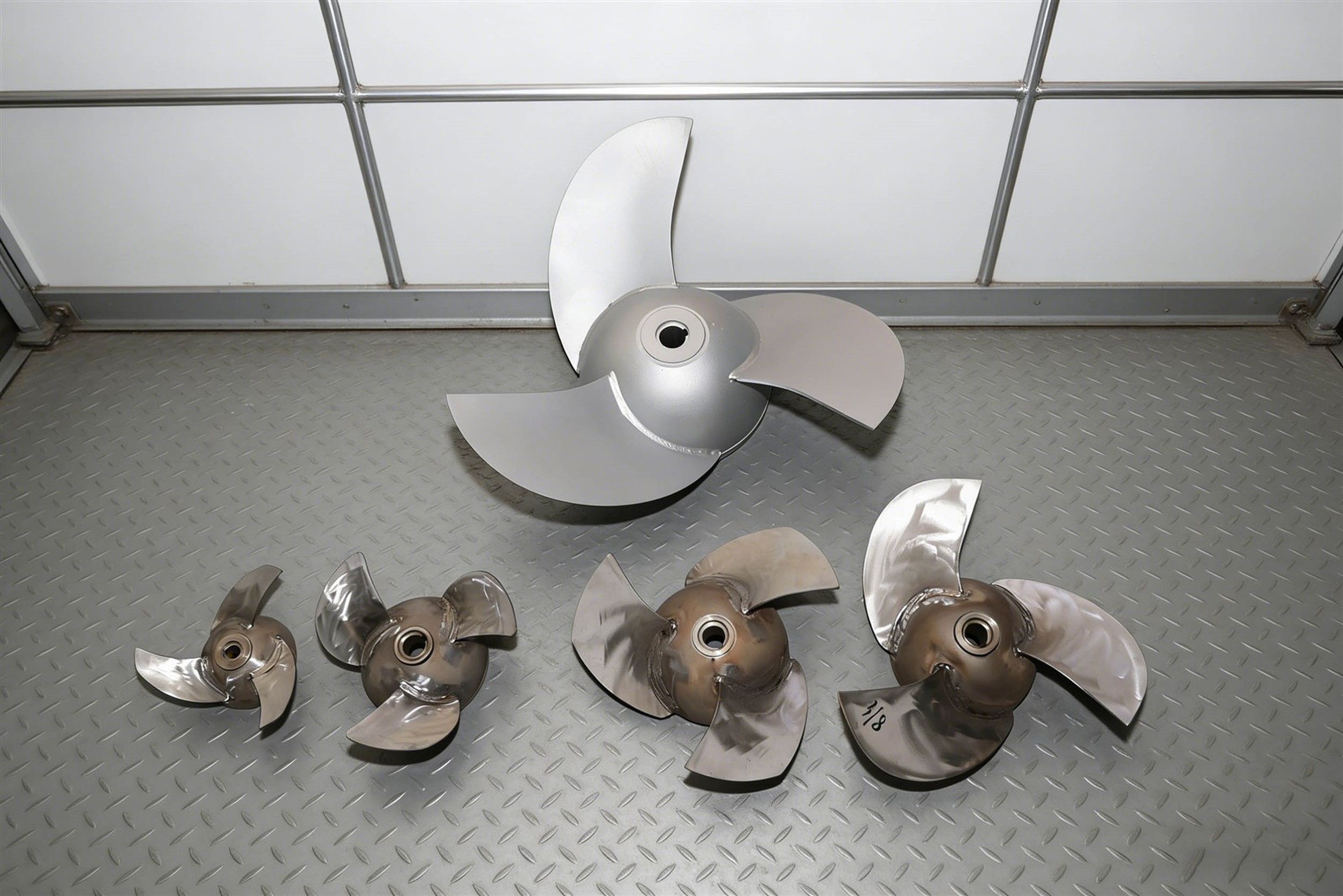
The impeller is the most critical component affecting mixing performance. Its design directly determines thrust, flow pattern, and mixing efficiency.
Typical features include:
-
Stainless steel (SS304/SS316) or polyurethane material
-
Optimized blade angle for maximum hydraulic efficiency
-
Anti-winding and self-cleaning design
-
A well-designed impeller can significantly improve fluid circulation while reducing energy consumption.
Mechanical Sealing System
The mechanical seal is essential for protecting the motor from water ingress. Most high-quality mixers adopt a double mechanical seal system with an oil chamber.
Key advantages:
-
Prevents leakage effectively
-
Extends equipment lifespan
-
Ensures safe long-term underwater operation
This is one of the most critical components for reliability.


Bearing System
The bearing system supports the rotating shaft and ensures smooth operation. Premium mixers use high-quality, long-life bearings.
Features include:
-
Low friction and stable rotation
-
Long service life (often exceeding 100,000 hours)
-
High load capacity
-
Reliable bearings reduce vibration and improve overall durability.
Cable Sealing and Terminal Chamber
The cable entry system is specially designed to prevent water penetration. A high-quality mixer includes:
-
Sealed cable entry system
-
Independent terminal chamber
-
Leakage sensor (optional)
This design enhances safety and protects electrical components.


Installation System
The installation system allows flexible positioning and easy maintenance. It usually consists of:
- Guide rail system
-
Mounting bracket
-
Lifting chain
This enables quick installation, removal, and maintenance without draining the tank.
Importance of Structural Design
The structural design of a submersible mixer directly affects:
-
Mixing efficiency – optimized impeller and flow design improve circulation
-
Energy consumption – efficient systems reduce operating costs
-
Service life – high-quality seals and bearings extend durability
-
Maintenance requirements – robust design minimizes downtime
In short:
Better structure = Higher efficiency + Lower cost + Longer lifespan
Conclusion
A submersible mixer is much more than just a motor and an impeller-it is a carefully engineered system where every component plays a vital role.
Understanding its structure helps users make better decisions, ensuring efficient mixing, stable operation, and long-term reliability in wastewater treatment applications.
Need a Reliable Submersible Mixer?
Get expert advice, customized solutions, and competitive pricing for your wastewater treatment project.